

Produced Water Treatment Performance Audits: Scope, Data and Deliverables

Contents
Direct answer
A produced-water performance audit establishes how the treatment system is operating against its design basis, current feed conditions and compliance or reinjection target. It combines document review, data validation, field inspection, structured testing and an engineering assessment of constraints.
The useful output is not a list of observations. It is a prioritised action plan that distinguishes quick operational corrections from maintenance, retrofit and capital options, with evidence and a method for verifying improvement.
Define the audit question and boundaries
Agree whether the priority is outlet compliance, reinjection quality, capacity, chemical cost, reliability, water loss or preparation for a production increase. The question determines the depth of testing and the disciplines required.
Set battery limits from upstream separation through reject and sludge handling to the treated-water destination. Problems often sit at interfaces rather than inside one package.
Information to collect before the visit
Request process flow diagrams, P&IDs, design basis, equipment data sheets, control narratives, commissioning records, chemical programme, laboratory methods, maintenance history and recent operating trends.
Provide data in native time-series form where possible. Daily averages can hide pressure oscillation, short surges and control events that explain intermittent off-spec results.
Validate instruments and samples
An audit should check the measurements used to judge performance. Review calibration status, instrument range, impulse-line condition, flowmeter suitability and analyser maintenance.
Confirm sampling points, flushing, preservation and chain of custody. Paired stage samples should be collected under steady, documented operating conditions.
Synchronise historian and laboratory timestamps
Record chemical dose and production source
Use agreed oil and solids methods
Identify estimated or unreliable measurements
Inspect the treatment train stage by stage
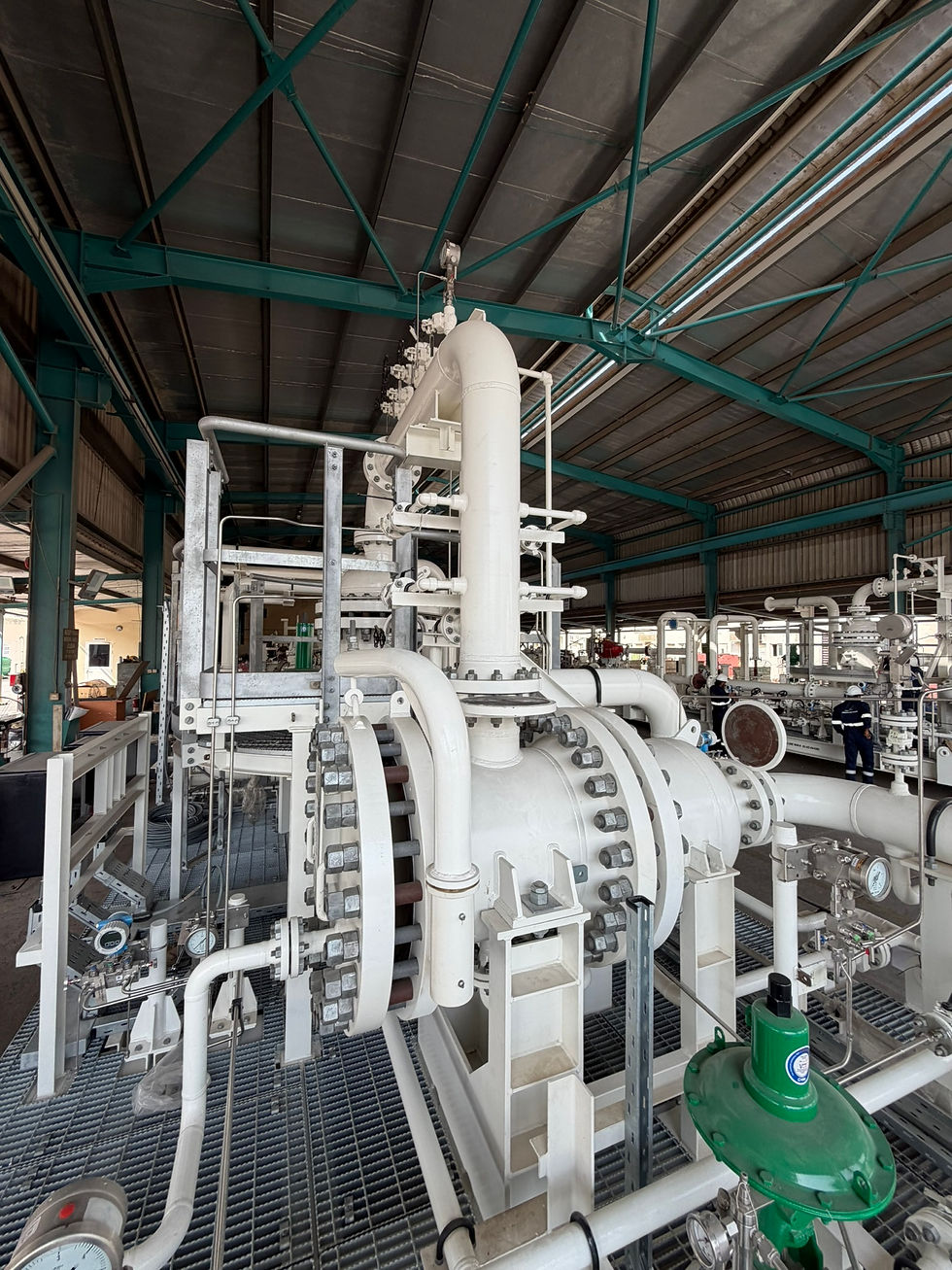
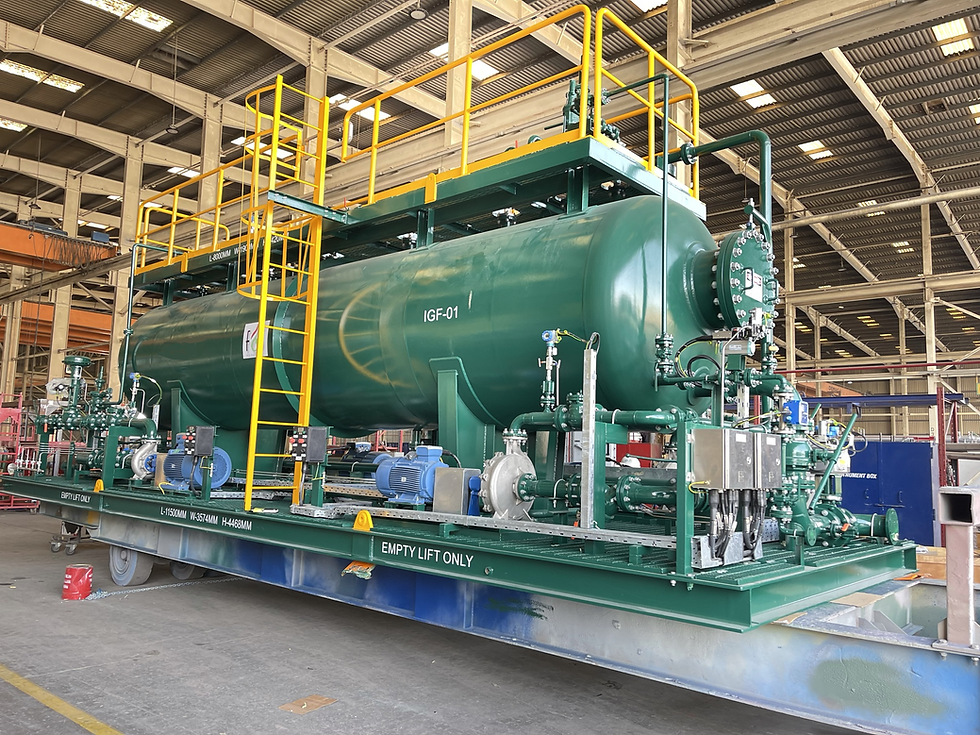
Observe separators, hydrocyclones, flotation, filters, tanks, pumps, chemicals and reject systems. Look for bypass, plugged internals, poor distribution, unstable level, unexpected pressure loss and inadequate maintenance access.
Interview operators about start-up, turndown, cleaning and upset response. Their experience can identify recurring conditions not visible during a short site visit.
Analyse capacity, performance and lifecycle cost
Reconcile flow and contaminant load through the system, then compare stage removal with the present operating envelope. Identify whether the constraint is hydraulic, separation, chemical, mechanical or analytical.
Rank options by expected benefit, outage need, implementation risk and lifecycle cost. A low-capital control correction may precede a retrofit, while a forecast capacity gap may justify a modular expansion.
What the audit should deliver
Deliver a concise baseline, validated data set, findings by system, root-cause hypotheses, marked-up process information and a prioritised action register. Clearly separate confirmed facts from recommendations requiring trials.
Include measurement points, acceptance criteria and a schedule for verifying each action. This turns the audit into an operating improvement programme rather than a report that sits unused.
Proof to add before publication
Add a redacted sample audit contents page, example action register and evidence of a completed performance test. Do not imply guaranteed savings until site data has been reviewed.
Crescent Engineering can scope a produced-water performance audit for an operating asset or planned expansion. Share your process documents, current constraints and data availability to define the audit.
References
Related Crescent articles
Continue exploring this topic:

Comments