

Deoiling Hydrocyclone vs Induced Gas Flotation: Selecting the Right Treatment Stage

Contents
Direct answer
A deoiling hydrocyclone and an induced gas flotation unit solve different separation problems. Hydrocyclones are compact, pressure-driven devices suited to removing larger dispersed oil droplets from a stable feed. IGF is a residence-time process that promotes attachment between gas bubbles and smaller oil droplets or suspended solids. Many produced water systems use both in sequence rather than treating them as interchangeable equipment.
Selection should begin with inlet oil concentration, droplet-size distribution, solids loading, available pressure, flow turndown and the downstream specification. The correct comparison is duty-specific: it asks which stage can reliably remove the contaminants present across the real operating envelope.
How the two processes separate oil
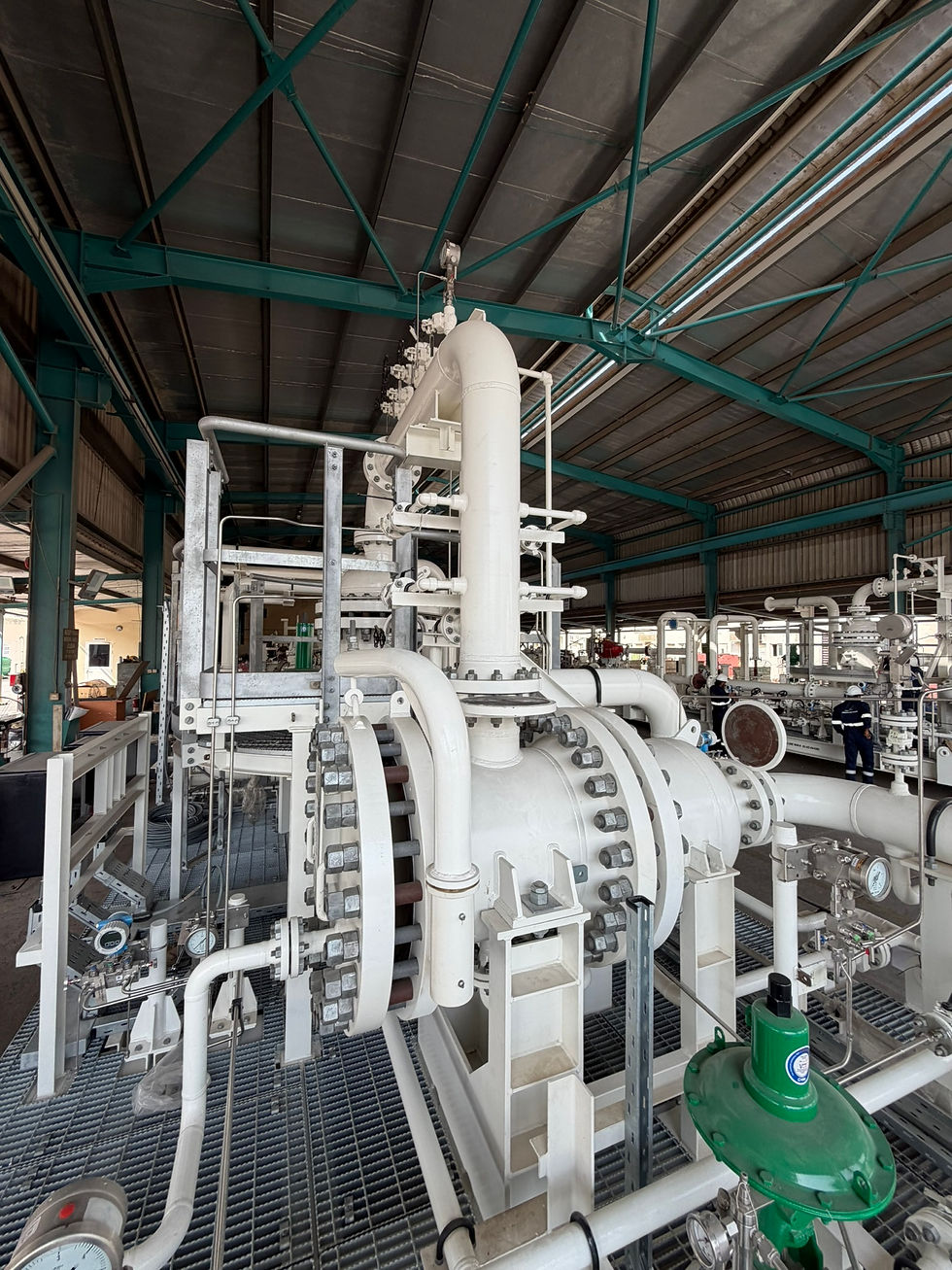
A hydrocyclone converts feed pressure into rotational velocity. The centrifugal field drives denser water outward while the lighter oil-rich phase moves to the core and leaves through the reject stream. Performance depends on stable hydraulics and droplets large enough to migrate during a short residence time.
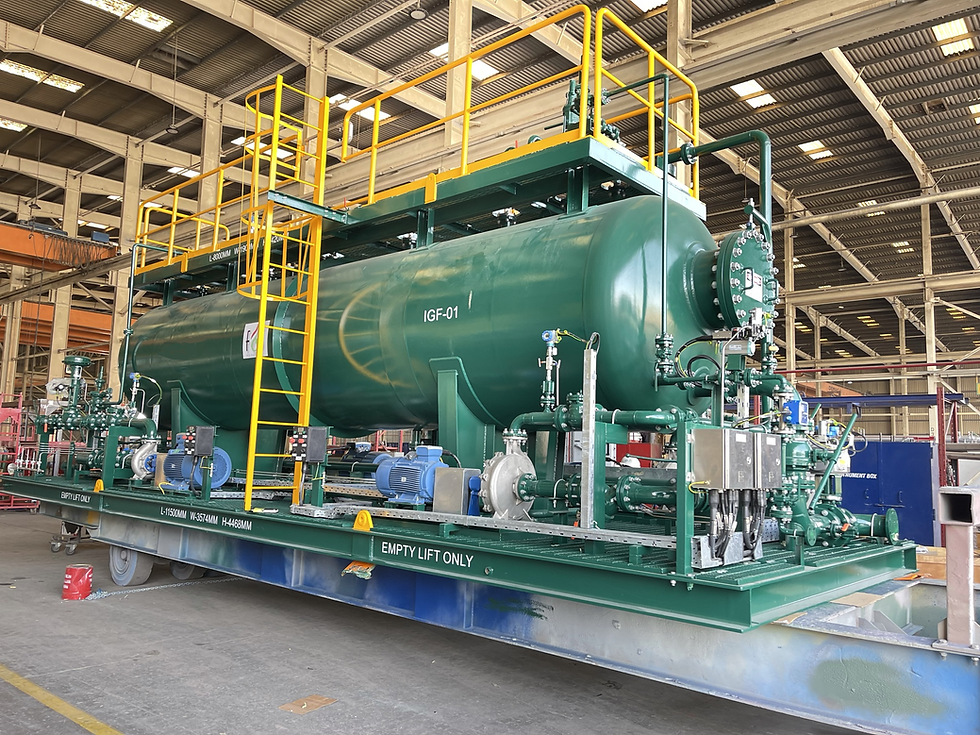
IGF introduces fine gas bubbles into a vessel. Oil droplets and some solids attach to the bubbles, rise and form a surface layer for removal. Chemicals may improve aggregation, but dose selection requires testing because carry-over can affect downstream filters, membranes or reinjection.
Where hydrocyclones usually fit
Hydrocyclones commonly follow primary separation where pressure is available and bulk free oil has already been removed. Their small footprint, lack of moving parts inside the liner and rapid response suit offshore and space-constrained installations.
They are less forgiving when pressure ratio varies, emulsions dominate or droplets are extremely small. A sound vessel can underperform because its liners are worn, blocked or operating outside their hydraulic range.
Where IGF usually fits
IGF commonly follows hydrocyclones or other primary deoiling equipment. Its longer residence time helps remove residual dispersed oil, chemical floc and fine suspended matter before filtration, discharge or reinjection.
The vessel must be designed around realistic hydraulic loading, skimming behaviour, gas handling and solids management. Poor distribution, short-circuiting or an unstable surface layer can reduce removal even when nominal residence time appears adequate.
Decision criteria for a real project
Pressure availability and footprint may favour hydrocyclones, while difficult emulsions and finer droplets may justify flotation. Neither conclusion should be drawn from catalogue capacity alone.
Compare start-up, normal, turndown and upset cases, then consider chemical demand, reject handling, maintenance access, hazardous-area requirements and the consequence of off-spec water.
Confirm flow and pressure for every operating case
Measure oil droplet size as well as total oil
Define the treated-water destination and test method
Include reject and sludge streams in the water balance
Why a combined train is often stronger
A hydrocyclone can carry the heavier oil-removal duty, reducing the load and chemical demand on downstream flotation. IGF can then polish the residual fraction and buffer feed variability.
The interface still needs care. Hydrocyclone reject rate affects water loss, while upstream shear can change droplet size. Sampling before, between and after the stages is essential for diagnosing performance.
Information to include in an enquiry
Suppliers need the flow range, pressure, temperature, oil-in-water data with analytical method, droplet-size information, suspended solids, salinity, chemical history and required outlet quality. State whether the water will be discharged, filtered, reinjected or reused.
Crescent can then assess whether the duty calls for a hydrocyclone, IGF or combined package and define the associated vessels, pumps, gas system, chemicals, controls and testing boundaries.
Proof to add before publication
Add verified comparison data from representative produced-water samples, a process flow diagram and a clear statement of analytical methods. Do not publish generic removal percentages without a documented feed envelope.
Crescent Engineering can review your produced-water analysis and operating cases to recommend an appropriate separation train. Submit your flow range, pressure profile, inlet quality and outlet target for a technical review.
References
Related Crescent articles
Continue exploring this topic:

Comments